
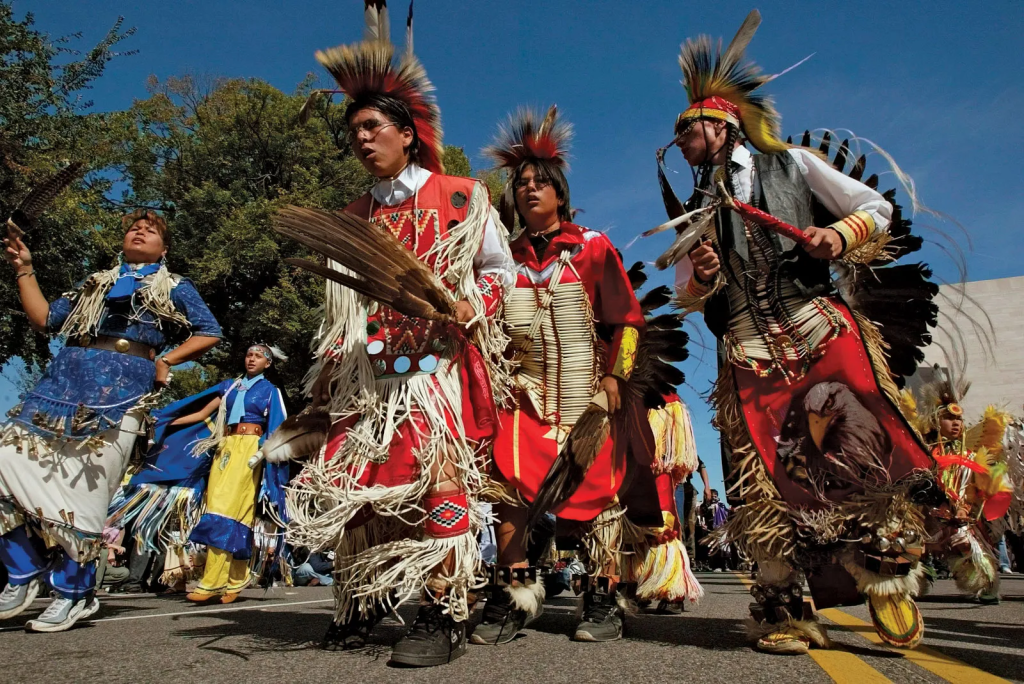
Indigenous Native American communities have long been custodians of age-old traditions, ancestral wisdom, and lifestyles in harmony with nature. Among these peoples, the Sioux community stands out for its rich history, vibrant culture, and commitment to preserving its heritage. In this article, let’s delve into the fascinating world of the Sioux community, exploring its functioning, values, and impact on the modern world.
History and Origins
The Sioux, also known as Lakotas, Dakotas, and Nakotas, are a group of Indigenous nations from North America, originating from the Great Plains of the United States and Canada. Their history is marked by fierce resistance to European and American expansion through iconic figures such as Sitting Bull and Crazy Horse. Despite challenges faced over the centuries, the Sioux have preserved their cultural identity and deep connection to their ancestral lands.
Social Organization
The social structure of the Sioux is based on principles of extended family, clan, and tribe. Traditionally, important decisions were made by a council of chiefs and elders, guided by values of respect, equality, and consensus. Each member of the community had a crucial role to play, whether in hunting, gathering, warfare, or sacred rituals.
Spirituality and Beliefs
Spirituality holds a central place in the lives of the Sioux. Their cosmology is imbued with belief in a Great Spirit, as well as profound reverence for Mother Earth and all her creatures. Rituals, sacred dances, and seasonal ceremonies play an essential role in maintaining harmony between humans and the spiritual universe.
Resilience and Adaptation
Despite historical and contemporary challenges, the Sioux community continues to thrive and adapt. Many Sioux are actively engaged in preserving their language, traditional crafts, and cultural practices. Furthermore, numerous initiatives aim to strengthen economic autonomy and promote sustainable development within reservations and urban communities.
Community Engagement
The spirit of solidarity and cooperation is deeply rooted in Sioux culture. Community members support each other in times of joy and sorrow, sharing meals, stories, and valuable teachings. Additionally, many community organizations and programs work to improve quality of life and promote the well-being of the Sioux, with a focus on education, health, and environmental preservation.
Conclusion
In conclusion, the Sioux community embodies resilience, spirituality, and social cohesion. Despite obstacles encountered, these descendants of North America’s first inhabitants continue to preserve their cultural heritage and contribute to the diversity and richness of the American social fabric. By recognizing and honoring their heritage, we can learn valuable lessons about nature preservation, community strength, and respect for ancient traditions.
 The Sioux